
Businesses face security risks ranging from theft and vandalism to unauthorized access and after-hours activity. Understanding the benefits of CCTV for businesses can help property owners choose a more effective security strategy.
When properly planned, CCTV does more than record incidents. It can support security personnel, improve monitoring and help businesses identify potential problems before they become recurring issues.
Here are seven key benefits of CCTV for businesses.
1. Helps Deter Theft and Vandalism
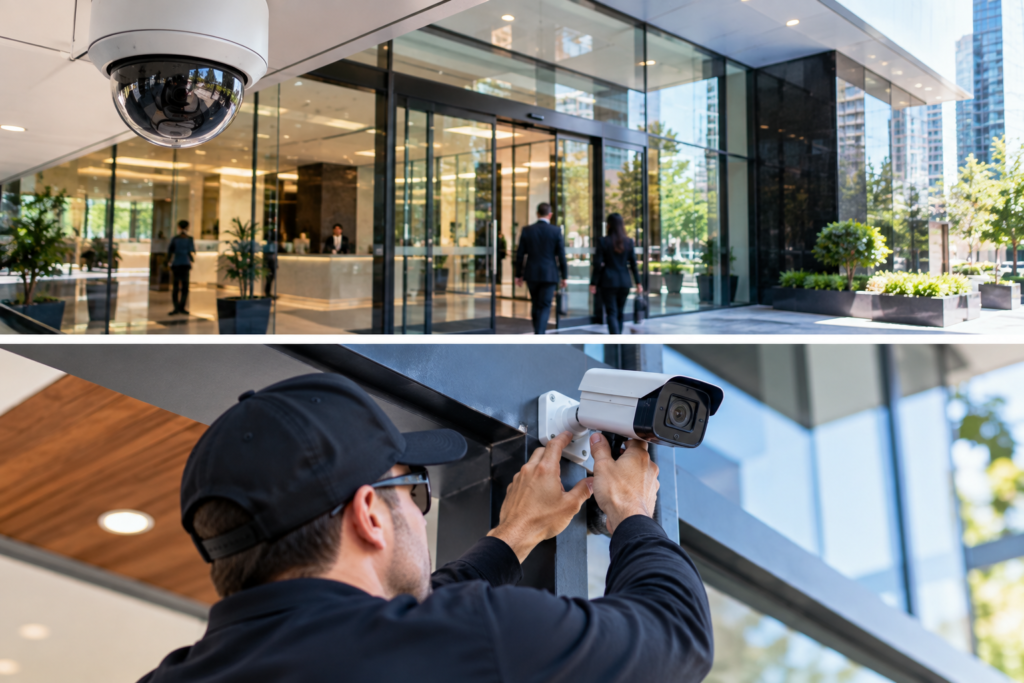
Visible security cameras can discourage theft, vandalism and other unauthorized activity.
For retail stores, offices, warehouses and commercial buildings, placing cameras around entrances, exits and higher-risk areas makes it clear that activity is being monitored.
Cameras should not be treated as the only security measure, but they can strengthen a broader security strategy.
2. Provides Better Property Visibility
Businesses cannot have employees or guards watching every part of a property at the same time.
CCTV can provide additional visibility across areas such as:
- Entrances and exits
- Reception areas
- Parking facilities
- Loading docks
- Storage rooms
- Restricted areas
- Building exteriors
This can be especially useful for larger commercial properties where some areas are difficult to monitor continuously.
3. Supports Incident Investigations
When an incident occurs, recorded footage can help businesses understand what happened.
Depending on camera placement and image quality, CCTV may help review:
- Theft
- Property damage
- Unauthorized access
- Suspicious vehicles
- Workplace incidents
- Unusual activity
Video footage can help establish a timeline and provide additional information when management reviews an incident.
4. Works Alongside Security Guards
CCTV and physical security perform different roles.
A trained security officer can conduct patrols, manage access and respond to situations. Cameras extend visibility into additional parts of the property.
For businesses using professional security services, CCTV can provide another layer of information to support guards and property managers.
CNSS provides both security personnel and CCTV-related security services as part of its broader security offering. CANADIAN NATIONAL SECURITY SOLUTIONS
5. Helps Monitor After-Hours Activity
Commercial properties can become more vulnerable after employees leave.
CCTV can provide visibility around:
- Building entrances
- Parking areas
- Loading zones
- Warehouses
- Storage areas
- Property perimeters
Businesses using mobile patrol security can also combine physical property checks with camera coverage for a more layered approach.
6. Helps Identify Recurring Security Issues
Not every useful CCTV recording involves a major incident.
Regular monitoring can reveal patterns such as:
- Repeated unauthorized entry attempts
- Doors being left unsecured
- Vehicles entering restricted areas
- Activity around loading docks
- Areas with repeated security concerns
Identifying these patterns can help managers improve procedures before a larger problem occurs.
7. Can Be Adapted to Different Businesses
Different properties require different camera coverage.
For example:
Retail stores may prioritize sales floors, entrances and inventory areas.
Office buildings may focus on reception areas, entrances and parking facilities.
Warehouses may require monitoring around loading docks, storage zones and exterior access points.
Commercial buildings may benefit from cameras around common areas, entrances and restricted zones.
The most effective CCTV system should be designed around the actual property rather than using the same setup everywhere.
What Should Businesses Consider Before Installing CCTV?
Before installing cameras, businesses should review several important factors.
Camera Placement
Cameras should cover important areas while minimizing blind spots.
Entrances, exits, parking areas and restricted zones are common priorities.
Image Quality
Recorded footage needs to be clear enough to be useful.
Lighting, camera type, positioning and environmental conditions can all affect image quality.
Recording and Storage
Businesses should determine how footage will be recorded, stored and accessed.
Remote Monitoring
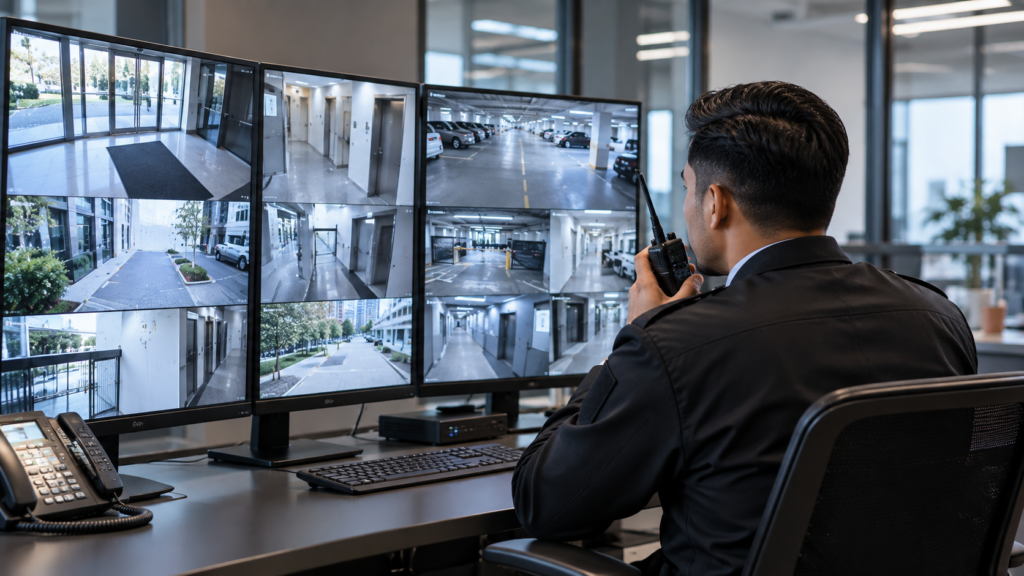
Some modern CCTV systems allow authorized users to monitor cameras remotely, which can be helpful outside regular business hours.
Privacy
Businesses should ensure camera placement and footage management follow applicable privacy requirements and internal policies.
Why Professional CCTV Installation Matters
Installing cameras without considering the layout of the property can create blind spots or ineffective coverage.
A professional CCTV assessment should consider:
- Entrances and exits
- Property layout
- Lighting conditions
- High-value areas
- Camera angles
- Storage requirements
- Network requirements
- Future system expansion
CNSS currently provides professional CCTV installation in Toronto and the GTA for residential, commercial and industrial properties, including remote-monitoring options. CANADIAN NATIONAL SECURITY SOLUTIONS
Frequently Asked Questions
Is CCTV enough to secure a business?
Not always. CCTV can provide valuable monitoring and recorded evidence, but businesses may also benefit from security guards, access control, alarms or mobile patrols depending on their risks.
Where should businesses install CCTV cameras?
Common locations include entrances, exits, parking areas, reception areas, loading zones and restricted-access areas.
Can CCTV cameras be monitored remotely?
Many modern CCTV systems support remote monitoring, depending on the equipment and system configuration
Does CNSS provide CCTV installation?
Yes. CCTV Installation is an official CNSS service for Toronto and the GTA.
Improve Your Business Security With CCTV
CCTV can help businesses improve visibility, deter unwanted activity and provide useful information when incidents occur.
The strongest systems are designed around the property’s actual layout, operating hours and security risks rather than simply installing as many cameras as possible.
CNSS Security provides CCTV installation alongside a broader range of security solutions for businesses and properties.
Need help planning CCTV coverage for your property? Contact CNSS Security to discuss a CCTV solution designed around your security requirements.

